
Solution
A per-hectare input plan, not a product list
Mulch, tape and ground cover are bought per hectare in commercial vegetable production, so the quote should be per hectare.
How we approach it
The specification comes before the shopping list
Commercial vegetable blocks are costed per hectare, and the input mix changes with the crop, the season and the labour available. A tomato block on black mulch with 0.3 mm tape at 20 cm spacing is a different order from a lettuce programme on bare ground with heavy walkway fabric.
We quote film, tape and fabric as a per-hectare schedule: metres of mulch at your bed width, metres of tape at your spacing, and square metres of fabric for pathways and headlands. That makes the comparison against your current supplier a single number instead of four.
What the quote gives you
- Per-hectare quantities with a waste allowance you can check
- Film width cut to your bed, not rounded to a stock size
- Tape wall and spacing matched to the number of cycles you run
- A loading plan showing pallets, coils and rolls per container
Included in this system
Products usually specified together
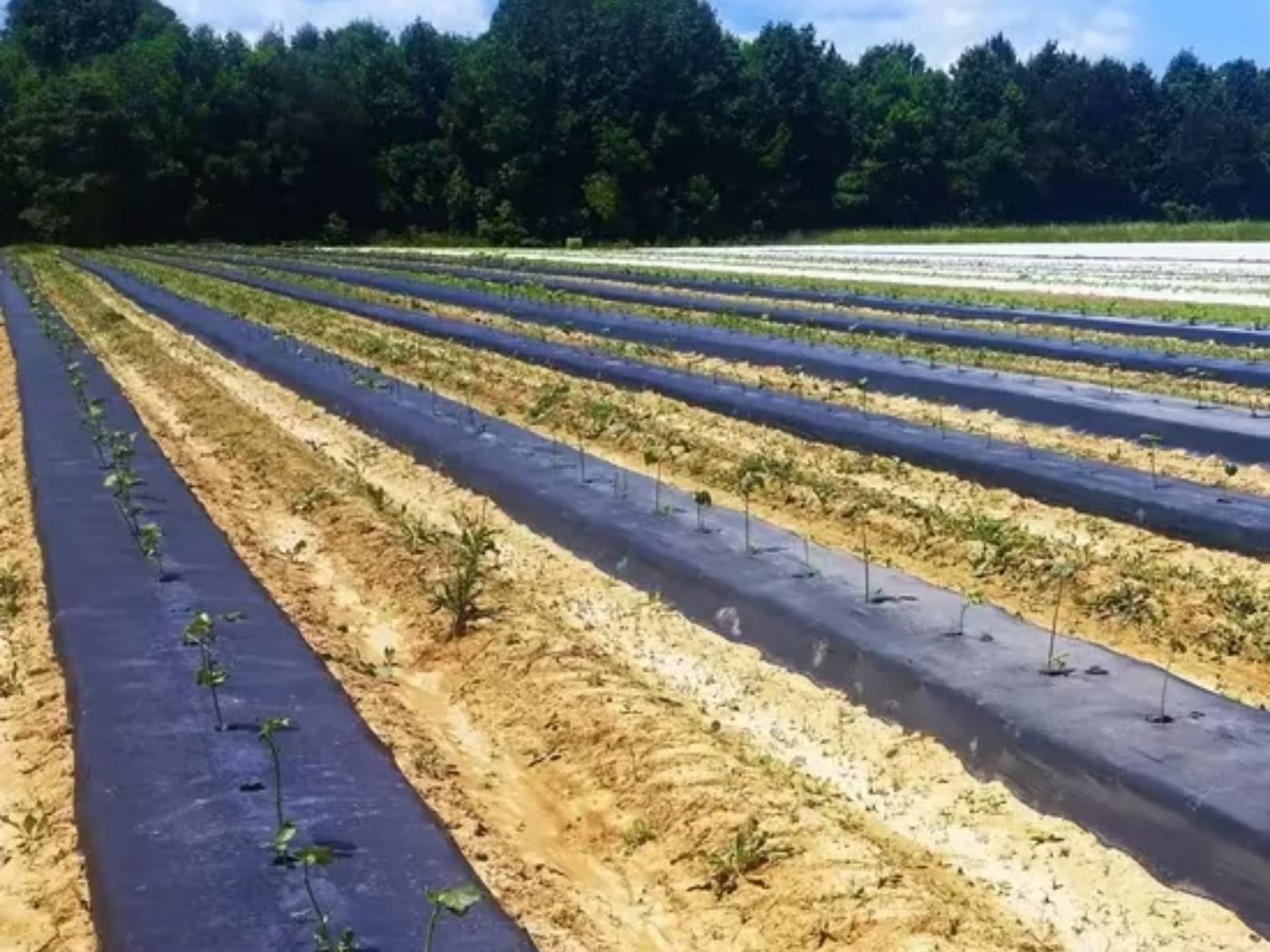
Agricultural Mulch Film
UV-stabilised polyethylene mulch film for vegetables, maize, sugarcane and orchards, produced in black, silver-black, white-black and clear.
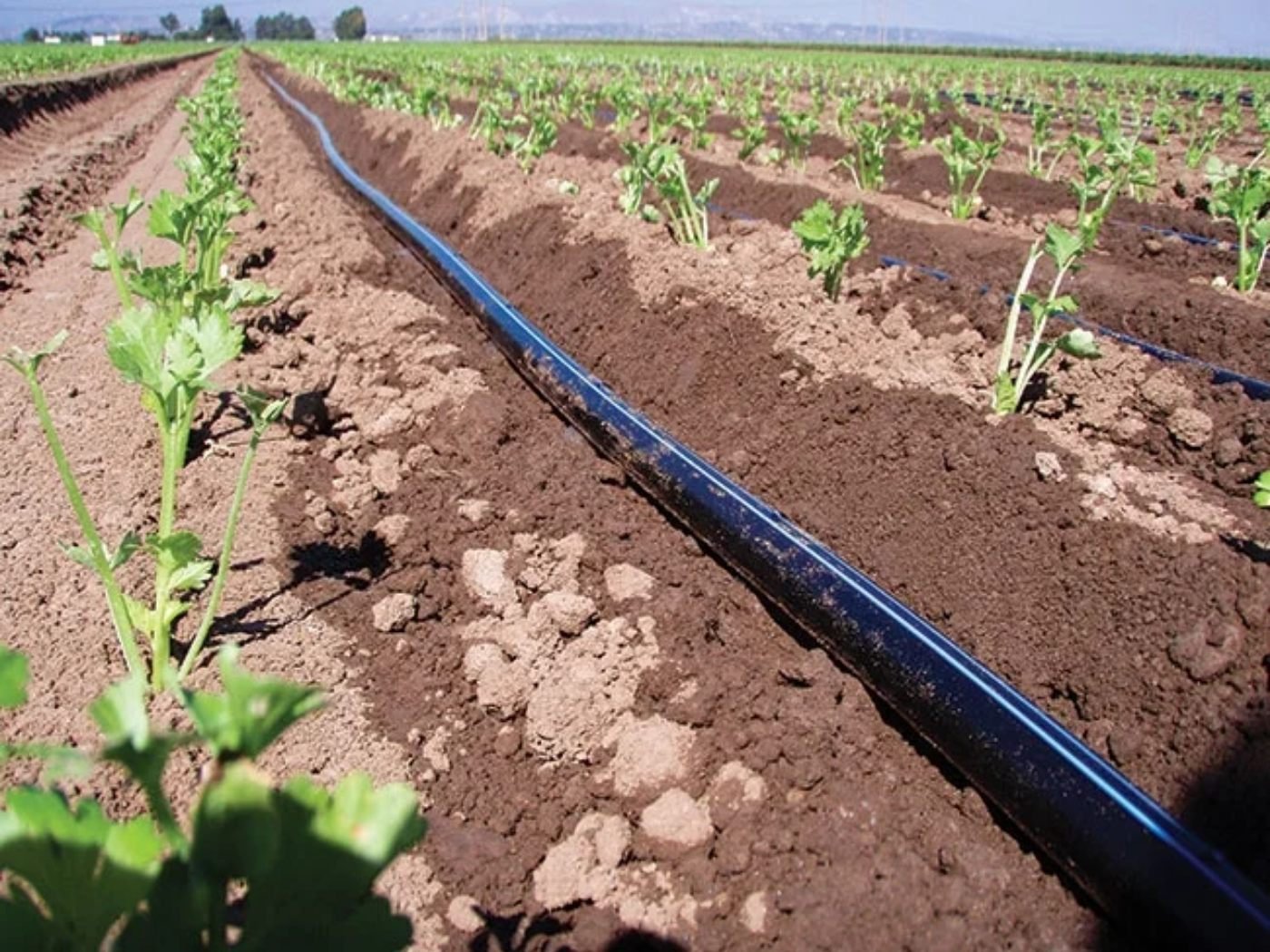 Drip Irrigation Tape
16 mm flat drip tape with 0.15–0.6 mm wall, 10–50 cm emitter spacing and 1–4 L/h flow for field vegetables and row crops.
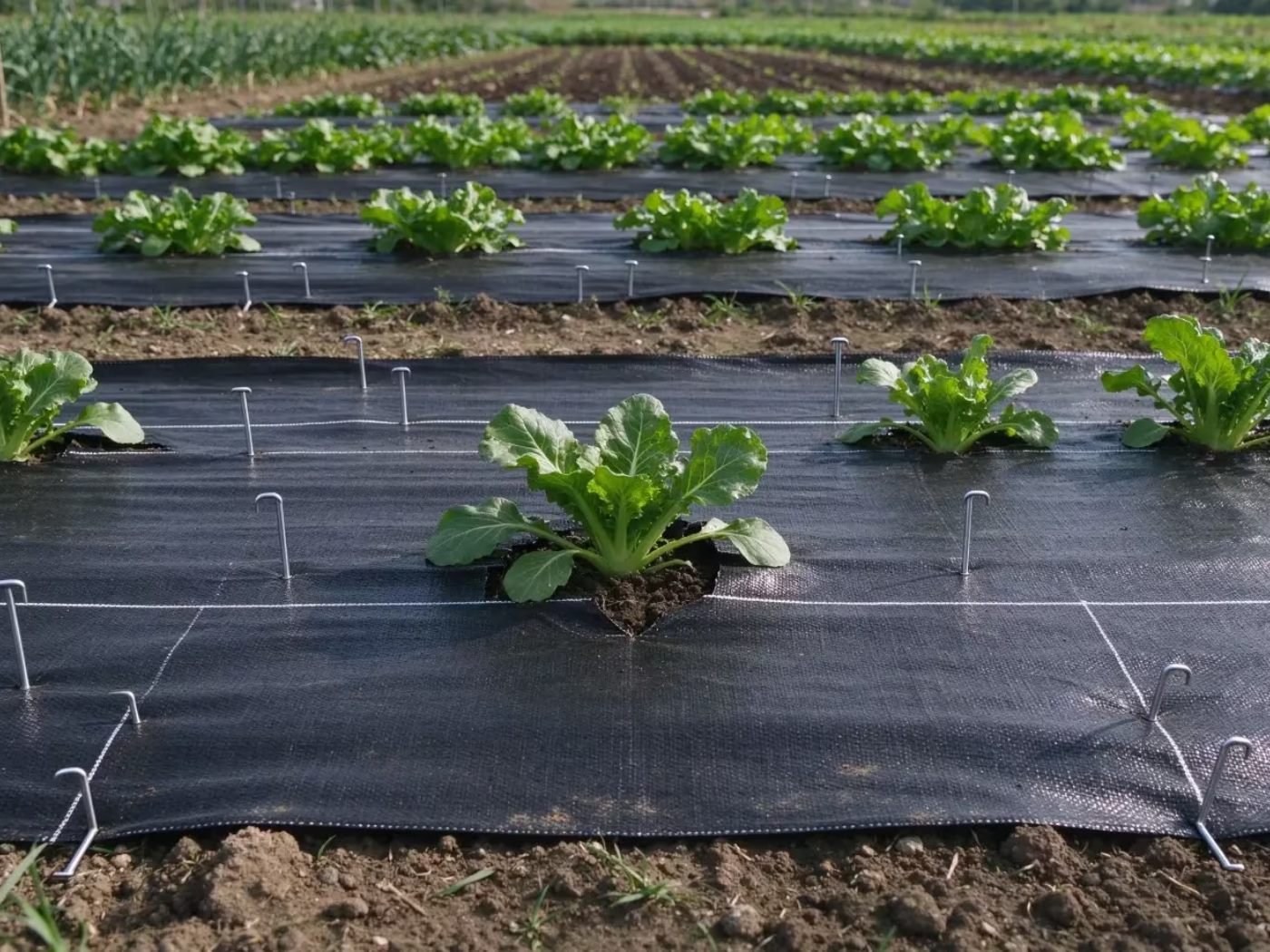 Weed Control Fabric
Woven black ground cover fabric at 70–150 gsm, UV-stabilised for 3–5 years, cut with planting holes for orchards and nurseries.
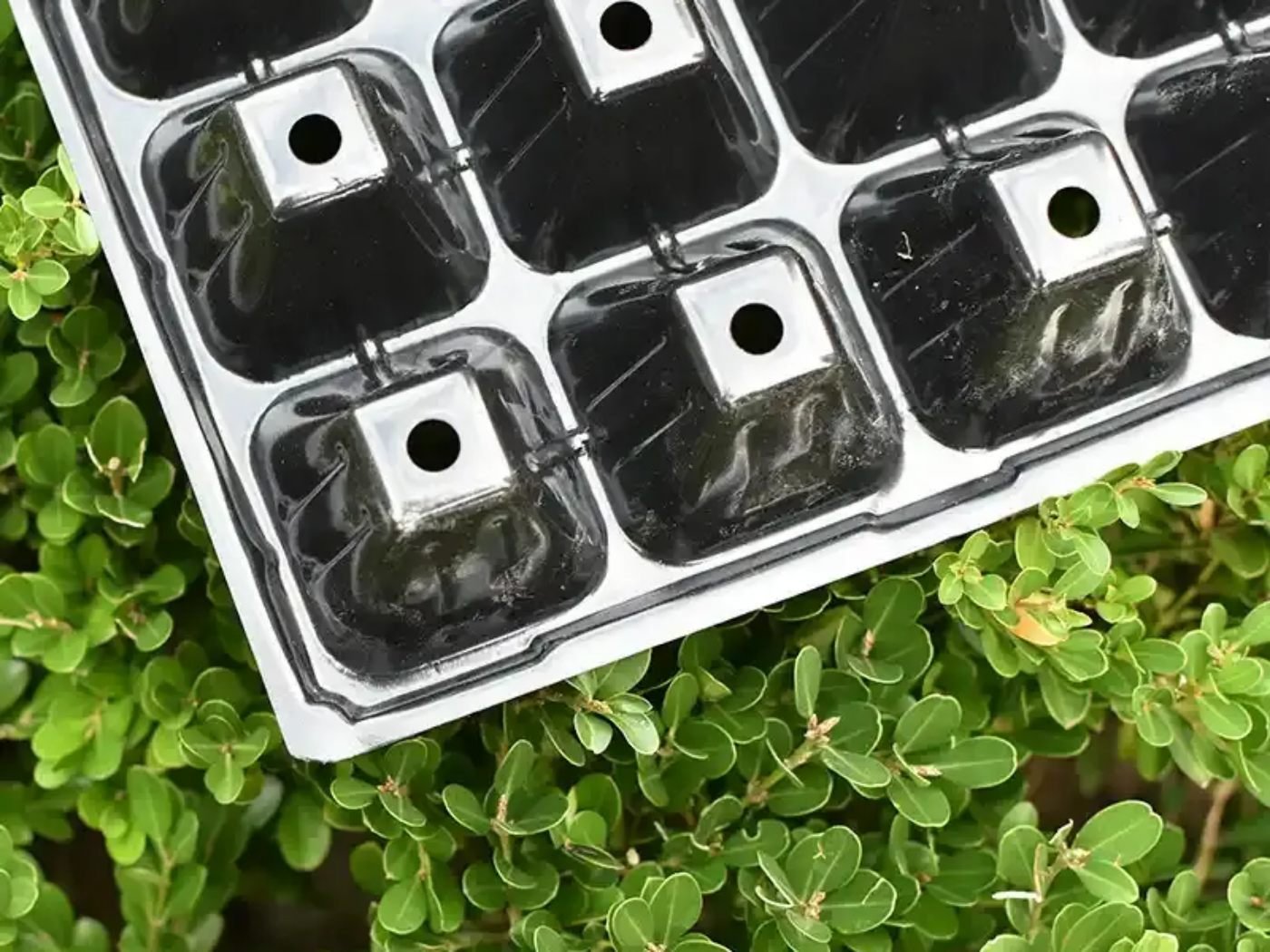 Seedling Trays
PS and PET plug trays from 32 to 288 cells with air-pruning design and a root plug that holds together at transplant.
Questions
Practical answers
Yes — send the crop, row spacing, bed width and the number of cycles per year and we return a per-hectare schedule.
Yes. A 40HQ will happily take film, tape and fabric together; the loading plan shows how they stack.