
Irrigation
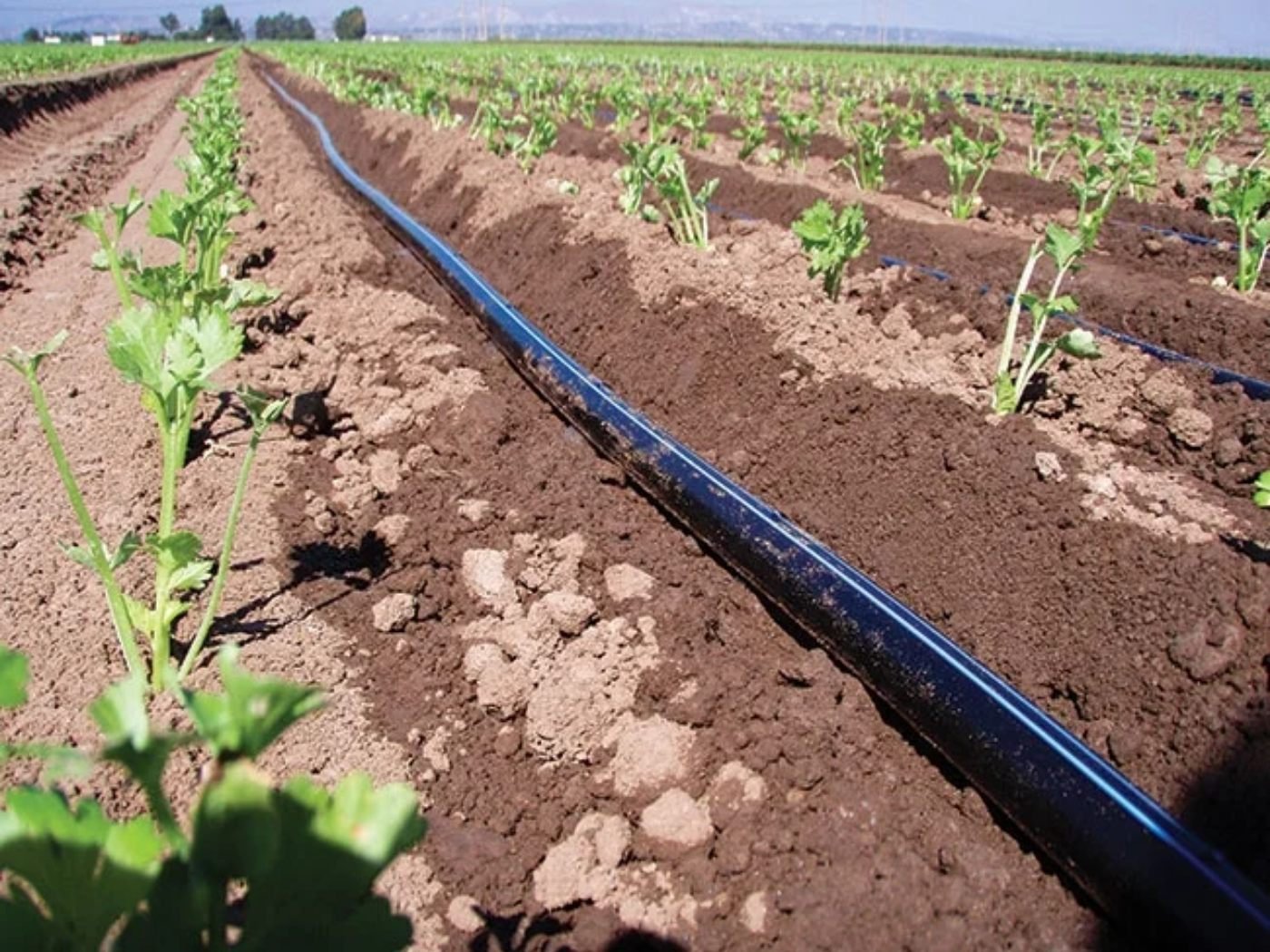
Drip tape matched to your soil and your run length
Emitter spacing and flow chosen from your soil texture and block layout, so the last plant on the run gets the same water as the first.
- 16 mmDiameter
- 10–50 cmEmitter spacing
- 1–4 L/hFlow rate
Overview
Drip tape performance is a pressure problem before it is a product problem. The flat labyrinth we use holds flow variation across a run inside ±5%, so a 300 m block waters evenly without a pressure-compensating price tag. Where the terrain or run length demands it, we quote PC tape instead of pushing a non-compensated line past its limit.
Wall thickness is the other decision that gets skipped. Thin walls are cheaper per metre and cost more per season: 0.15–0.2 mm suits a single short vegetable cycle, 0.3–0.4 mm survives two or three cycles and mechanical cultivation, and 0.6 mm is for multi-season installation under mulch or in orchards.
What it does in the field
-
Even flow to the last emitter
The flat labyrinth holds flow variation inside ±5% across a standard run, so the tail of the block does not run dry.
-
Anti-clog geometry
Wide, short flow paths with a self-flushing pattern tolerate silt and low-quality water better than narrow serpentine designs.
-
Wall matched to the cycle
Four wall grades from 0.15 to 0.6 mm let you pay for the life you need instead of the life the catalogue offers.
-
UV-stabilised for exposed runs
Tape laid on the surface without mulch does not degrade in a single season in high-radiation regions.
-
Roll lengths that fit the block
Standard 500, 1000, 2000 and 3000 m rolls, cut to your block length so the tail waste stays under 2%.
Grades available
0.15–0.20 mm wall
Single-cycle vegetable tape at the lowest cost per hectare. Best on flat ground with short runs and no mechanical weeding over the tape.
0.30–0.40 mm wall
Two to three seasons, tolerant of cultivation traffic and mulch laying. The volume grade for commercial vegetable blocks.
0.60 mm heavy wall
Multi-season installation for orchards, vineyards and permanent beds, laid once and used for several years.
Pressure-compensating
For long runs, sloping blocks and uneven terrain, holding flow within ±2% regardless of inlet pressure.
Technical data
| Diameter | 16 mm (also 12 mm and 22 mm on request) |
|---|---|
| Wall thickness | 0.15 / 0.20 / 0.30 / 0.40 / 0.60 mm |
| Emitter spacing | 10 / 15 / 20 / 30 / 40 / 50 cm |
| Flow rate | 1.0 – 4.0 L/h per emitter |
| Working pressure | 0.5 – 1.5 bar |
| Flow variation | ≤ ±5% (standard) / ≤ ±2% (PC) |
| Filtration | 120 mesh minimum recommended |
| Roll length | 500 – 3000 m |
| Material | Virgin LLDPE with UV stabiliser |
Values are indicative. Final tolerances, roll lengths and packing are confirmed in writing on the order confirmation.
Typical applications
- Tomato, pepper and cucurbit rows
- Onion, garlic and carrot beds
- Strawberry and melon production
- Banana and sugarcane irrigation
- Greenhouse vegetable benches
- Orchard and vineyard establishment
Packing & loading
Tape is wound on spools or coils of 500 to 3000 m, wrapped and labelled with diameter, wall, spacing, flow, length and lot number. Coils load loose or on pallets, and the loading plan lists each grade separately.
Questions buyers ask
Sandy soil needs 10–20 cm spacing at 1–2 L/h to keep the wetted bulb from draining away; clay holds wider, so 30–40 cm at 2–4 L/h is enough.
With 16 mm non-compensated tape, keep runs under 250–300 m on flat ground. Longer or sloping blocks should use pressure-compensating tape, which we quote as an alternative.
Yes, and it is the standard configuration. Use 0.3 mm wall or heavier so the tape survives machine laying and later cultivation.
We can quote filters, valves, connectors and end plugs with the tape. Tell us the block layout and we return a bill of materials for the whole system.
Also specified with
Products bought alongside
 Crop protection
Insect Net
40 to 100 mesh HDPE insect screen for tunnels and greenhouses, white or transparent, 1–6 m wide.
 Crop establishment
Agricultural Mulch Film
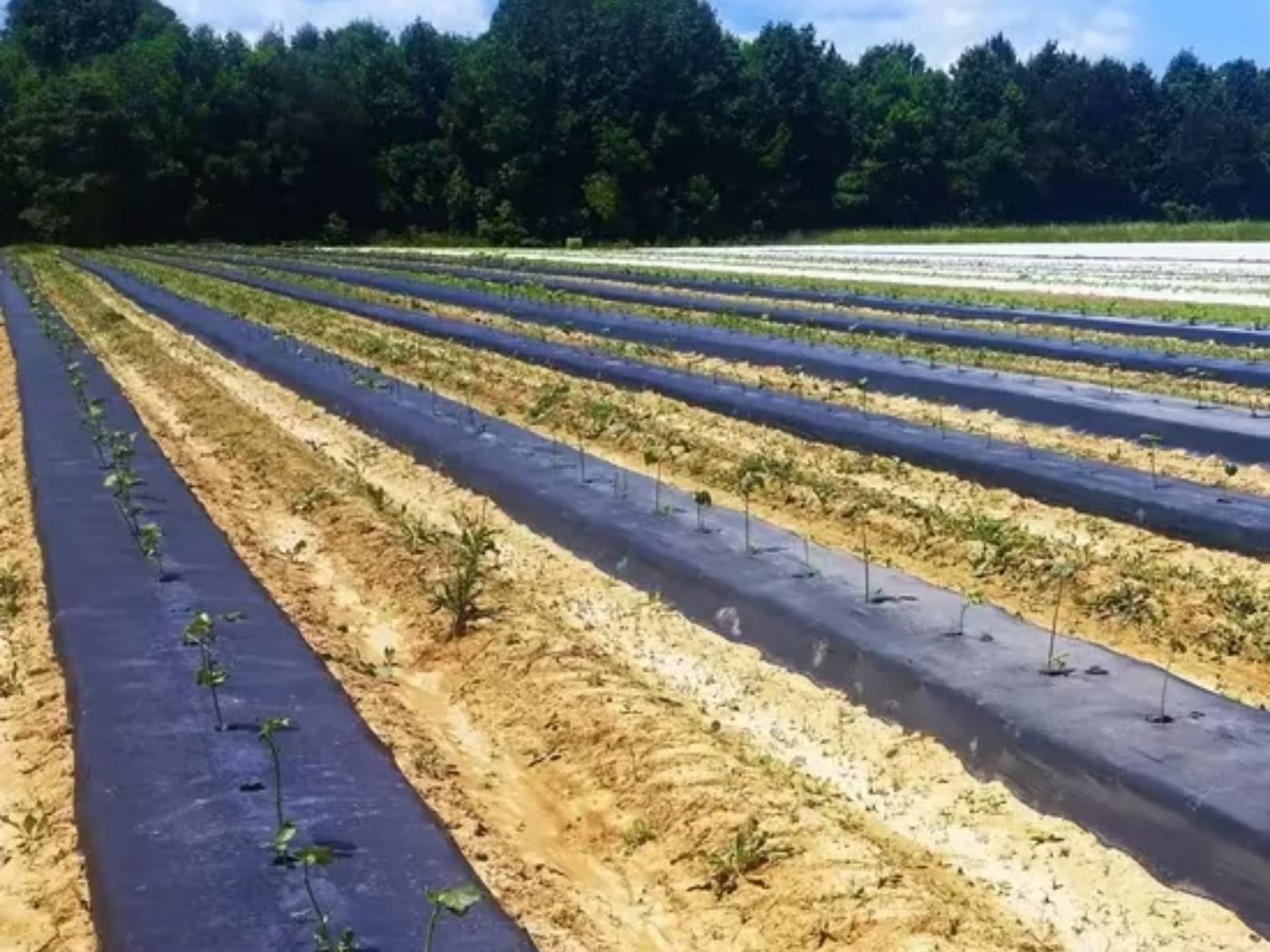
UV-stabilised polyethylene mulch film for vegetables, maize, sugarcane and orchards, produced in black, silver-black, white-black and clear.
 Propagation
Seedling Trays
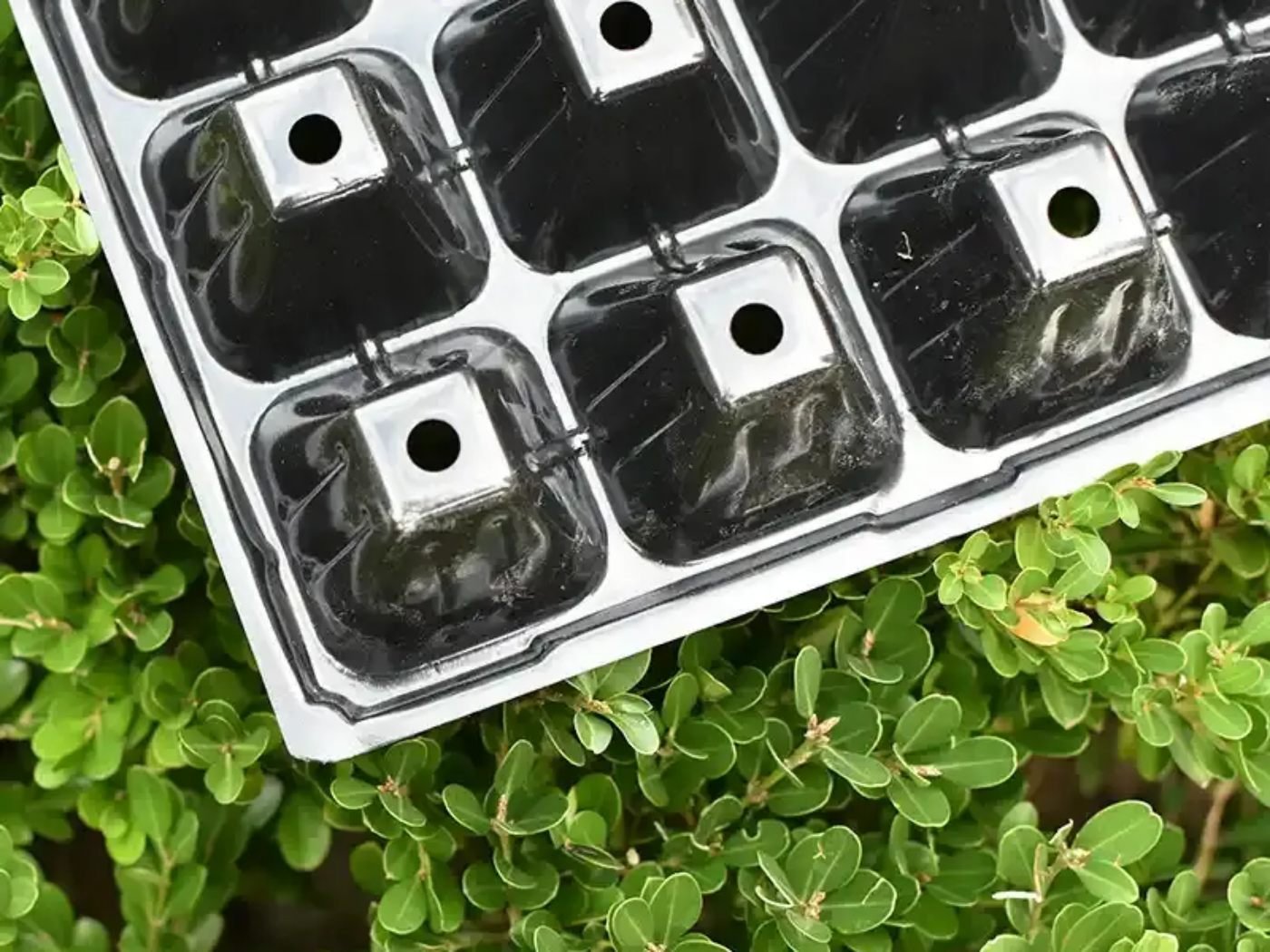
PS and PET plug trays from 32 to 288 cells with air-pruning design and a root plug that holds together at transplant.