
Solution
Inputs specified for a ten-year block, not a single season
In an orchard the cost of replacing an input early is far higher than the price difference at purchase.
How we approach it
The specification comes before the shopping list
Orchard economics are decided by what happens in years four to ten, which is why the cheap ground cover is the expensive one. Fabric that lets light through after one season brings the weed programme back, and tape that fails in year two means re-laying an entire block around established trees.
We specify fabric weight and UV term against your traffic and radiation, tape wall against the number of seasons, and geomembrane against tank depth where the block depends on stored water. Everything is quoted with a replacement interval stated.
What the quote gives you
- Fabric weight and UV term matched to traffic and radiation
- Pre-cut planting holes on your tree spacing, with edge marking
- Tape wall and emitter spacing for multi-season installation
- Reservoir lining thickness matched to tank depth and subgrade
Included in this system
Products usually specified together
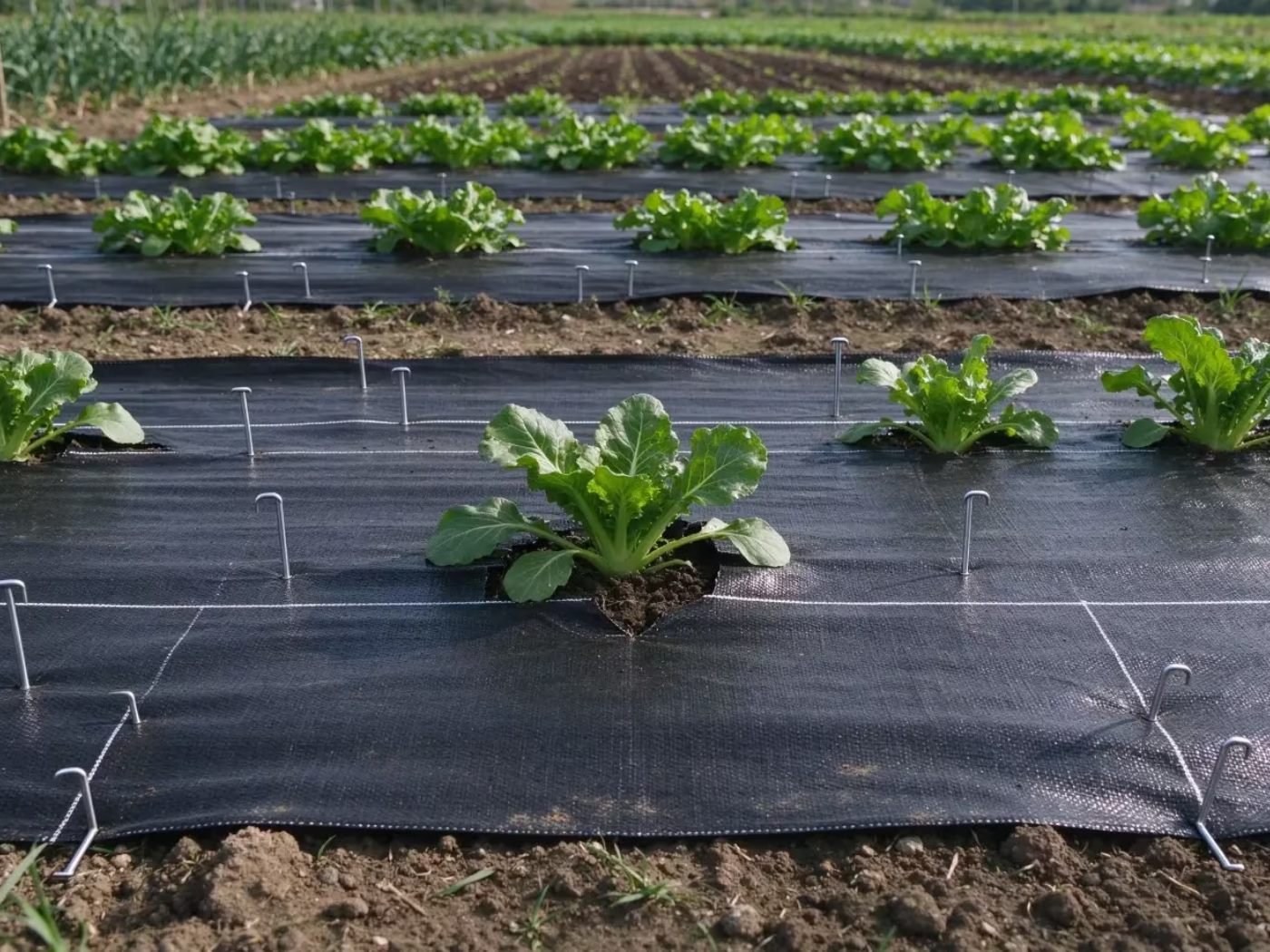
Weed Control Fabric
Woven black ground cover fabric at 70–150 gsm, UV-stabilised for 3–5 years, cut with planting holes for orchards and nurseries.
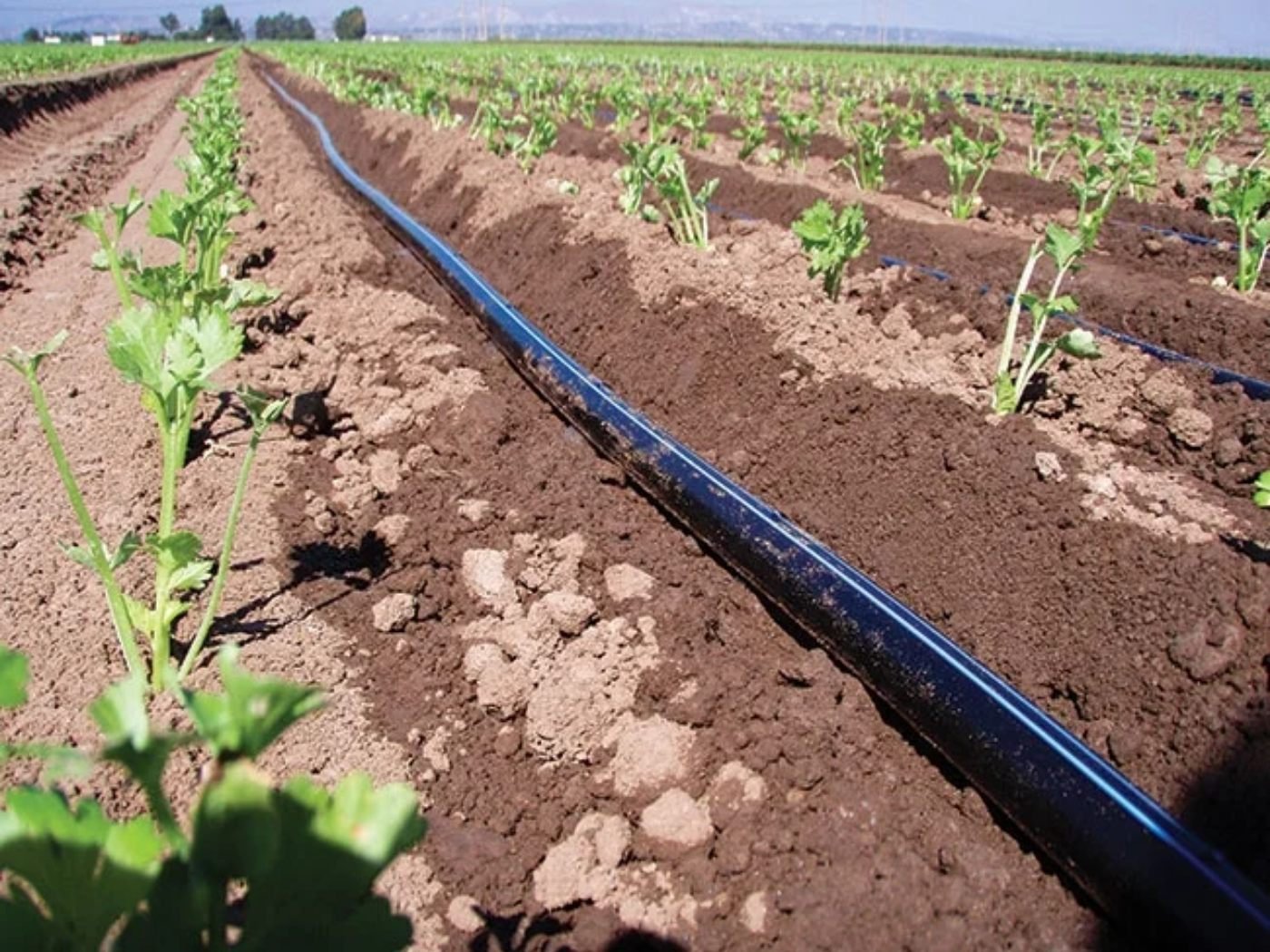 Drip Irrigation Tape
16 mm flat drip tape with 0.15–0.6 mm wall, 10–50 cm emitter spacing and 1–4 L/h flow for field vegetables and row crops.
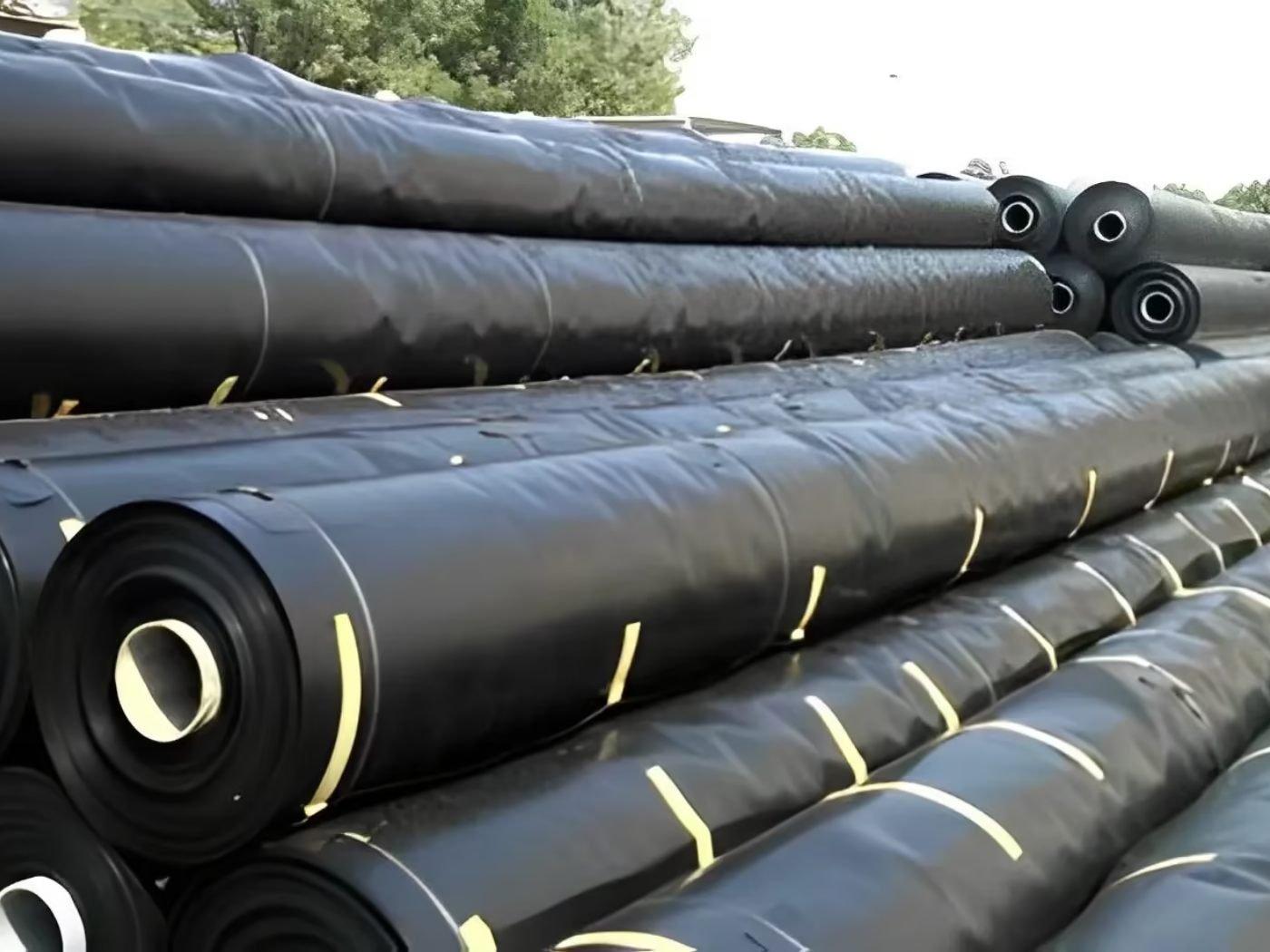 HDPE Geomembrane
HDPE geomembrane from 0.5 to 2.5 mm, smooth or textured, up to 8 m wide, for farm reservoirs, ponds and biogas covers.
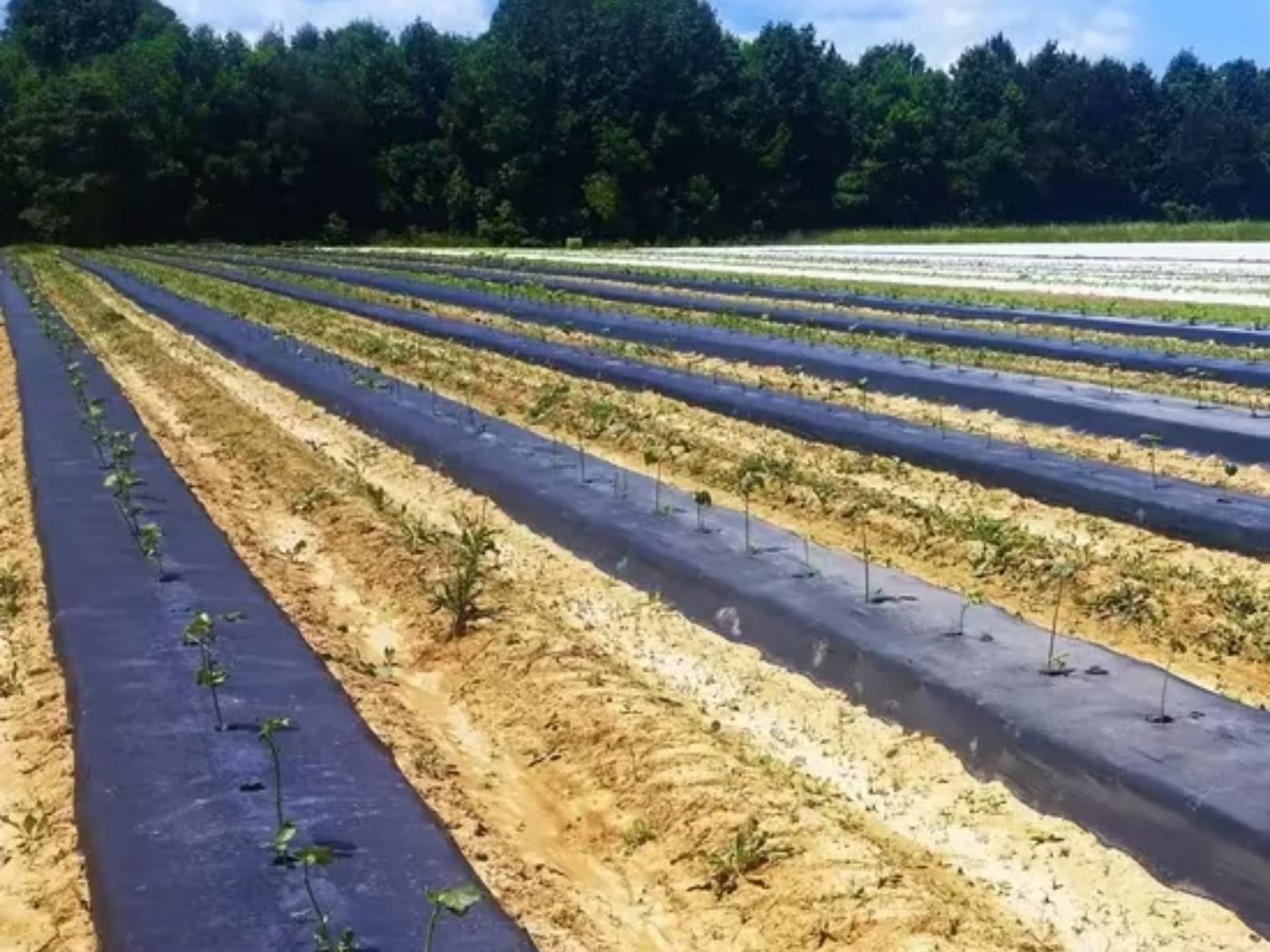 Agricultural Mulch Film
UV-stabilised polyethylene mulch film for vegetables, maize, sugarcane and orchards, produced in black, silver-black, white-black and clear.
Questions
Practical answers
110–130 gsm for rows that are walked and mown, 150 gsm where machinery or wind load is severe.
Expect three to five years depending on grade and radiation. Heavier grades and higher stabiliser levels extend the interval.