
Propagation
A root plug that comes out in one piece
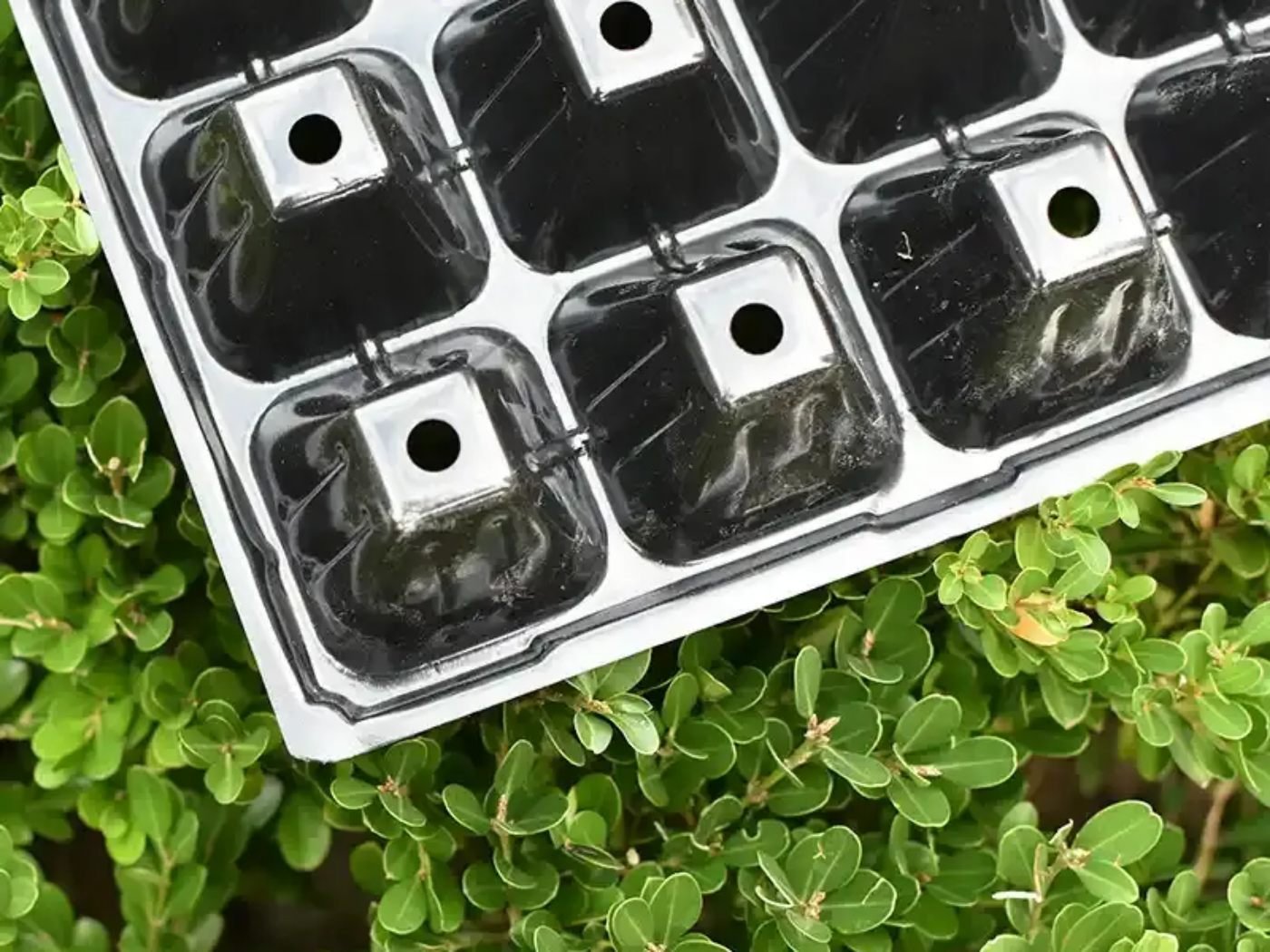
Cell geometry, drain holes and air-pruning slots designed around the transplanter and the crop, not around the mould that was already on the floor.
- 32–288 cellsCell count
- 0.6–1.2 mmWall
- PS / PETMaterial
Overview
Transplant losses usually trace back to the tray, not the seed. Cells that are too shallow dry out at the base, drains that are too small hold a water film, and a tray that flexes when lifted breaks the root ball on the way to the field. We build cells at depths and drain geometry matched to crop and machine, with rigid sidewalls that keep the plug intact through lifting and transport.
Standard formats cover 32, 50, 72, 105, 128, 200 and 288 cells in 54 × 28 cm footprint, in PS for high-volume vegetable propagation and PET for units that need repeated sterilisation. Wall thickness runs 0.6 to 1.2 mm depending on reuse and stacking load.
What it does in the field
-
Air-pruning side slots
Slots at the cell base stop the root circling and force lateral branching, which is what gives a plug that holds together.
-
Rigid walls, clean lift
Wall thickness of 0.6–1.2 mm keeps the tray from flexing when lifted full, so plugs stay intact on the way to the field.
-
Drain geometry that works
Base drains are sized so media does not wash out while surplus water still leaves the cell quickly.
-
Matched to transplanters
Footprints and cell pitch are checked against common carousel and chain transplanters before quoting.
-
Stack and ship without crushing
Trays nest and stack to a stable height, which keeps a container load arriving square instead of deformed.
Grades available
32–50 cells
Large-cavity trays for tomato, capsicum, cucurbit and tree seedlings where a bigger root mass is needed before transplant.
72–128 cells
The commercial vegetable standard, sized to fit common transplanter carousels and hand planting simultaneously.
200–288 cells
High-density propagation for herbs, lettuce, tobacco and flower plugs where space per plant is the constraint.
PET sterilisable
For units that wash and reuse trays between cycles; PET holds shape through repeated hot-water and chemical cleaning.
Technical data
| Material | PS (polystyrene) or PET |
|---|---|
| Cell counts | 32 / 50 / 72 / 105 / 128 / 200 / 288 |
| Tray footprint | 54 × 28 cm standard, other sizes on request |
| Wall thickness | 0.6 – 1.2 mm |
| Cell depth | 25 – 65 mm by format |
| Colour | Black (other colours on request) |
| Use | Single-use or reusable (PET) |
| Stacking | Nests to 10 trays per stack |
| Finishing | Air-pruning slots, drain holes, custom cavities |
Values are indicative. Final tolerances, roll lengths and packing are confirmed in writing on the order confirmation.
Typical applications
- Tomato, pepper and eggplant seedlings
- Lettuce and leafy crop plugs
- Herb and microgreen propagation
- Tree and shrub nursery liners
- Flower and ornamental plug production
- Tobacco and sugarcane plantlets
Packing & loading
Trays are nested in stacks of 10, bundled and labelled with format, cell count, material and lot number. Loading is planned so stacks arrive square, with the top and bottom of each bundle protected.
Questions buyers ask
72 or 105 cells is the working range for machine transplanting; 50 cells where the crop is planted by hand and a larger root mass is wanted.
PS trays are generally single-use; PET grades are built for washing and repeated cycles. Tell us how many cycles you plan and we recommend the grade accordingly.
Send the machine model or the carousel pitch. We check cell pitch and footprint before quoting, because a 2 mm mismatch stops the picker.
A 40HQ takes roughly 3,000–5,000 trays depending on format, nested in stacks. We supply a loading plan with the order.
Also specified with
Products bought alongside
 Protected cultivation
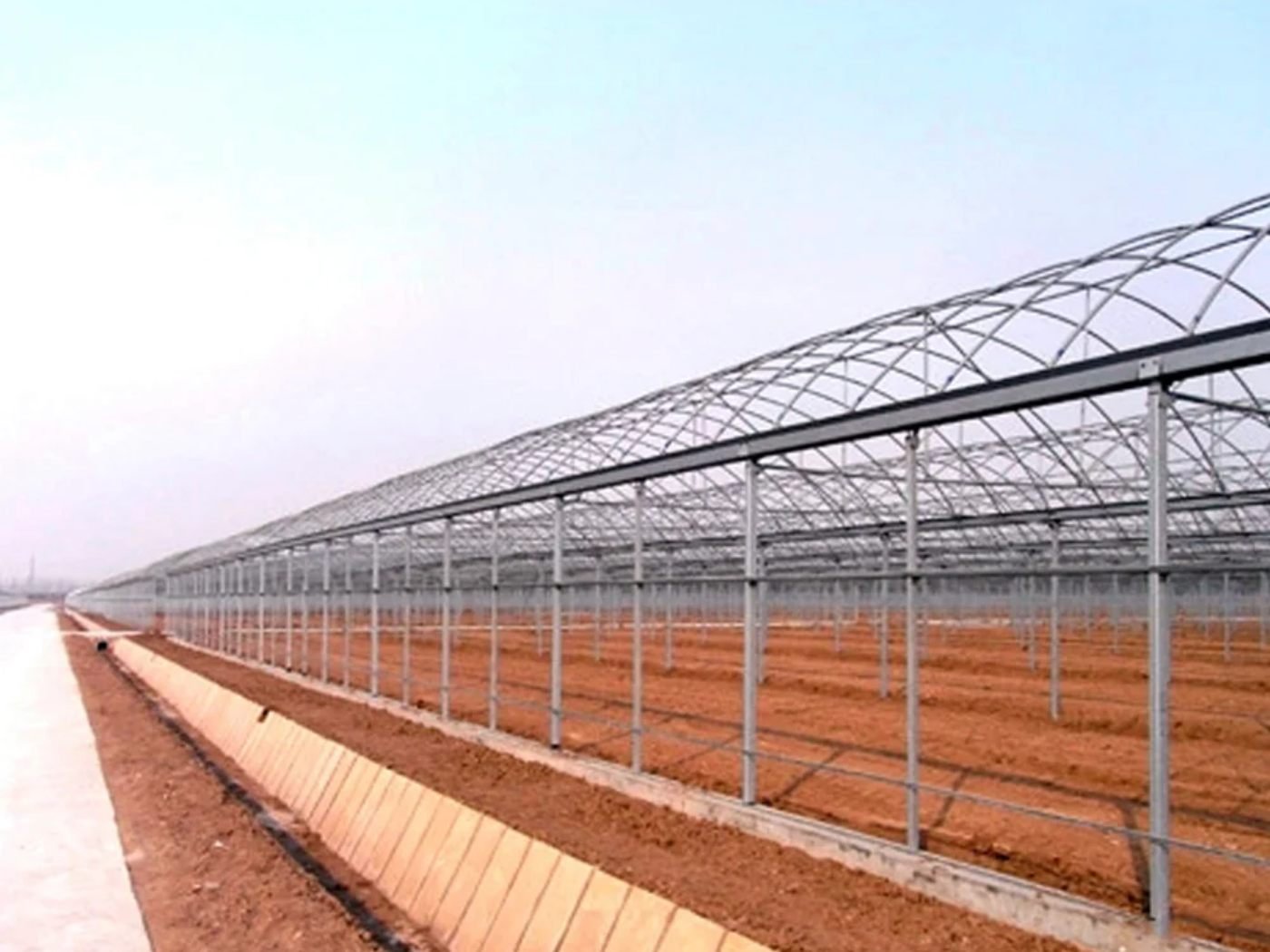
Greenhouse Film
Three-layer co-extruded greenhouse covering film with UV, anti-drip and anti-fog layers, in widths up to 12 m.
 Climate control
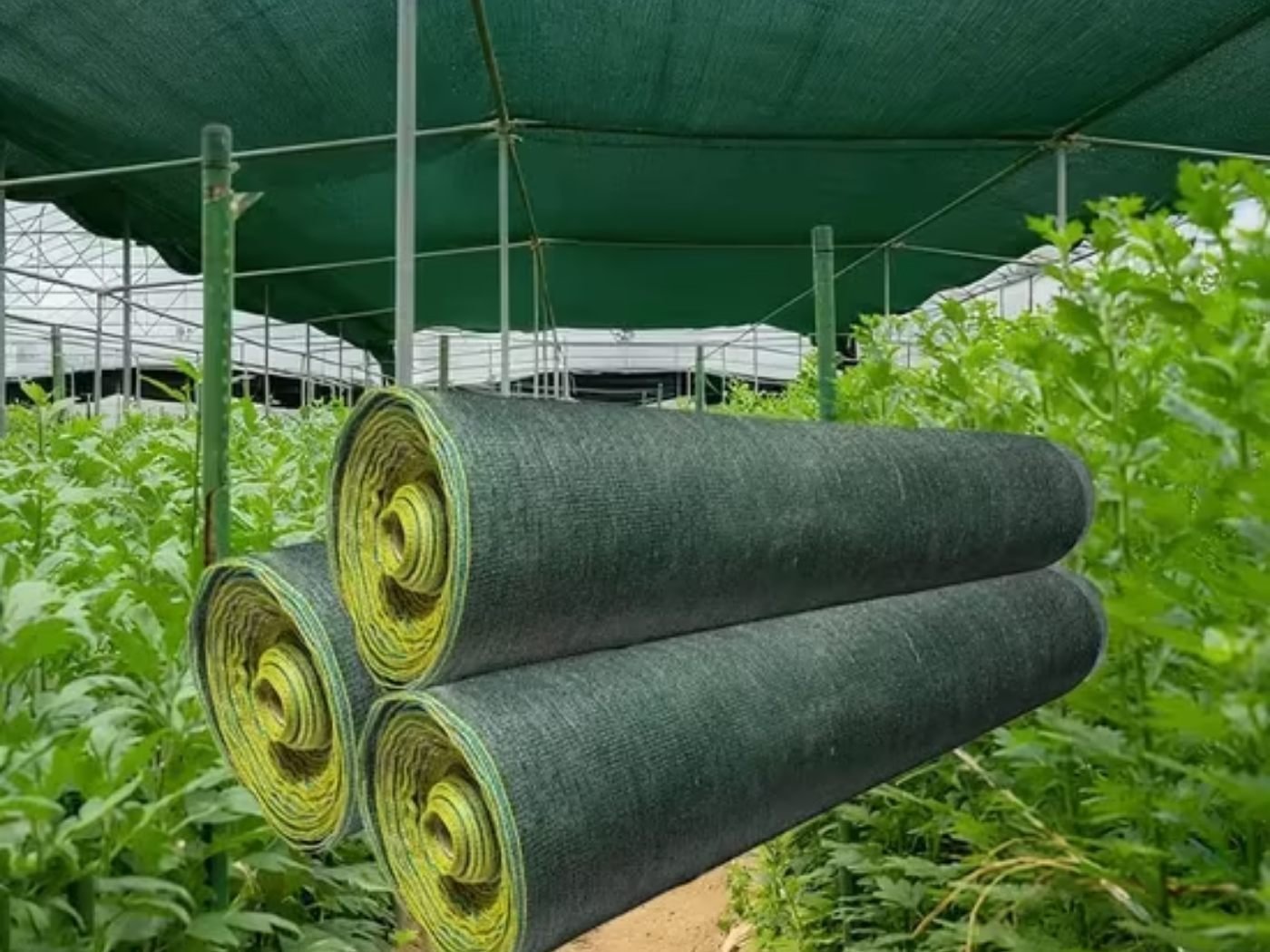
Shade Net
Virgin HDPE shade net from 30% to 95% shading, 2–6 m wide, lock-stitched and UV-stabilised for 3–5 years outdoors.
 Crop protection
Insect Net
40 to 100 mesh HDPE insect screen for tunnels and greenhouses, white or transparent, 1–6 m wide.