
Solution
Specify the cover, the screen and the water line as one system
A tunnel only performs when the film, the insect screen and the drip line are chosen against the same crop plan and the same climate data.
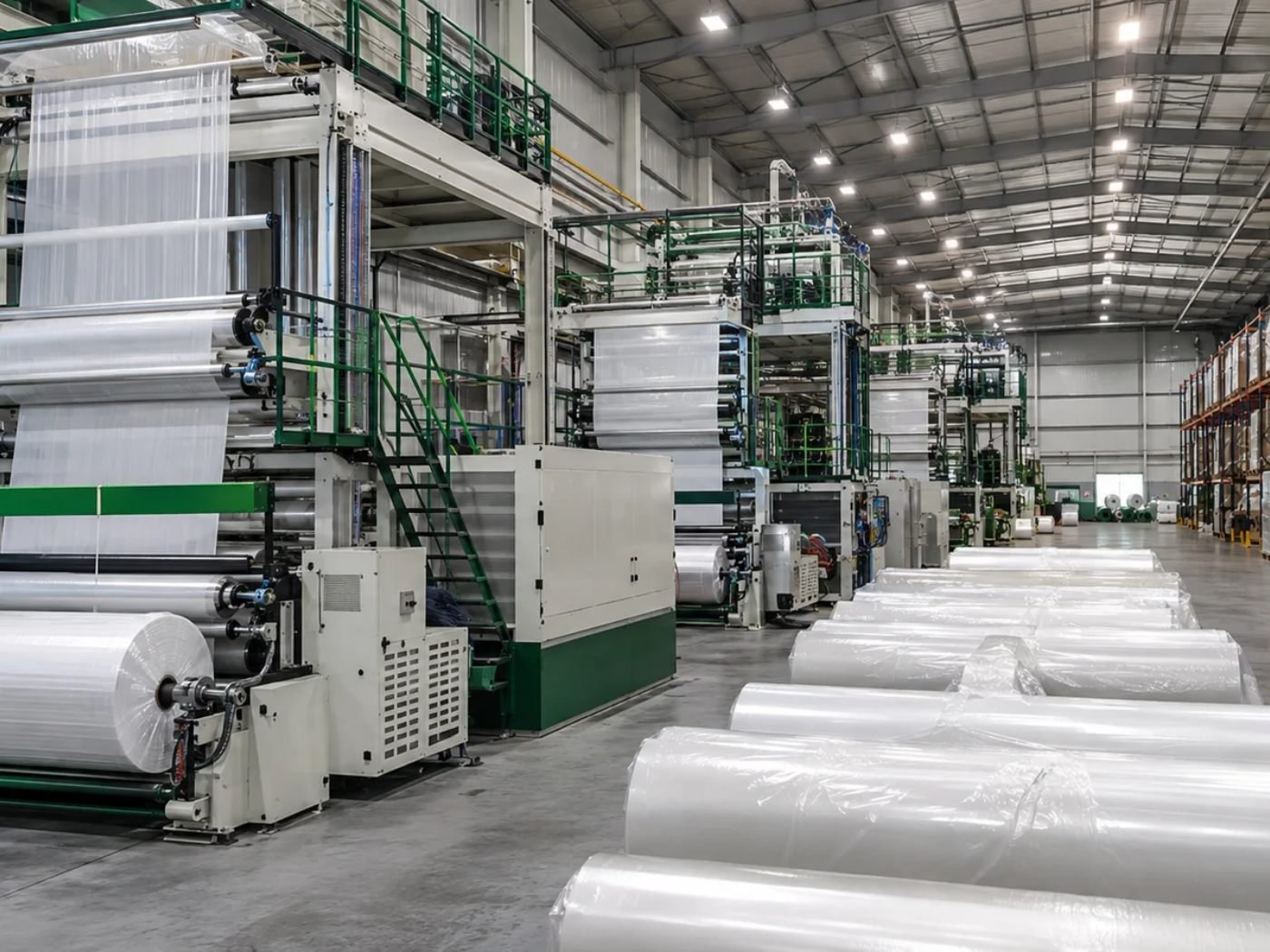
How we approach it
The specification comes before the shopping list
The common mistake in protected cultivation is buying each component separately and expecting the house to work. A 100-mesh sidewall with a 60-mesh roof, a drip line sized for a shorter run than the block, and a film grade selected on price rather than radiation load produce a house that is hot at midday, uneven at the far end, and expensive to run.
We quote these as a set: film grade and UV term against your radiation and expected service, screen mesh against the pest pressure you actually report, and tape flow against your soil and run length. You get a bill of materials with the reasoning, not three separate price lists.
What the quote gives you
- One bill of materials for the whole house, with quantities that match the frame drawing
- Film, screen and tape cut to the bay sizes so nothing is cut on site
- Grades justified against your pest, radiation and water data
- A loading plan that fits the container before you commit
Included in this system
Products usually specified together
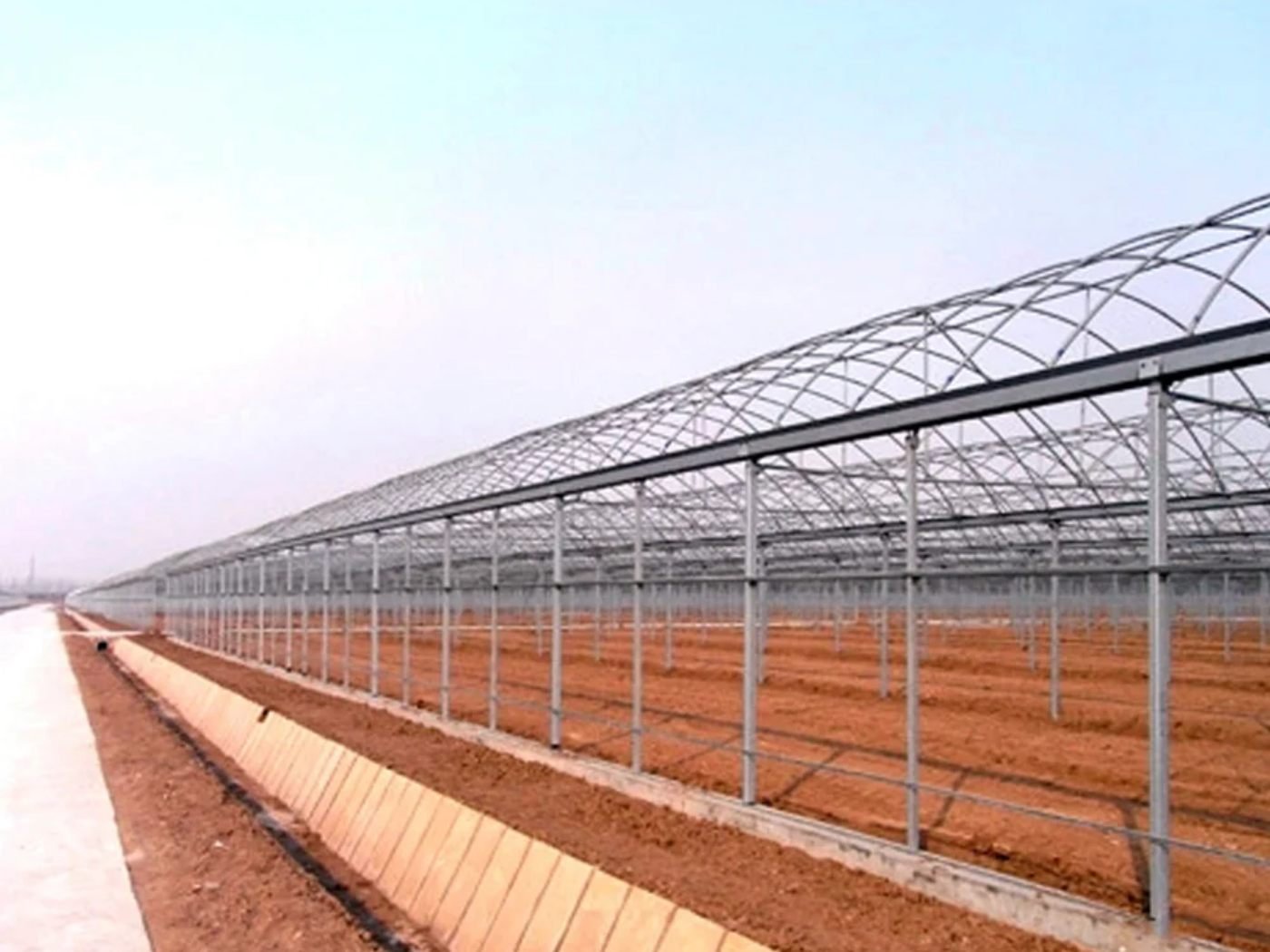 Greenhouse Film
Three-layer co-extruded greenhouse covering film with UV, anti-drip and anti-fog layers, in widths up to 12 m.
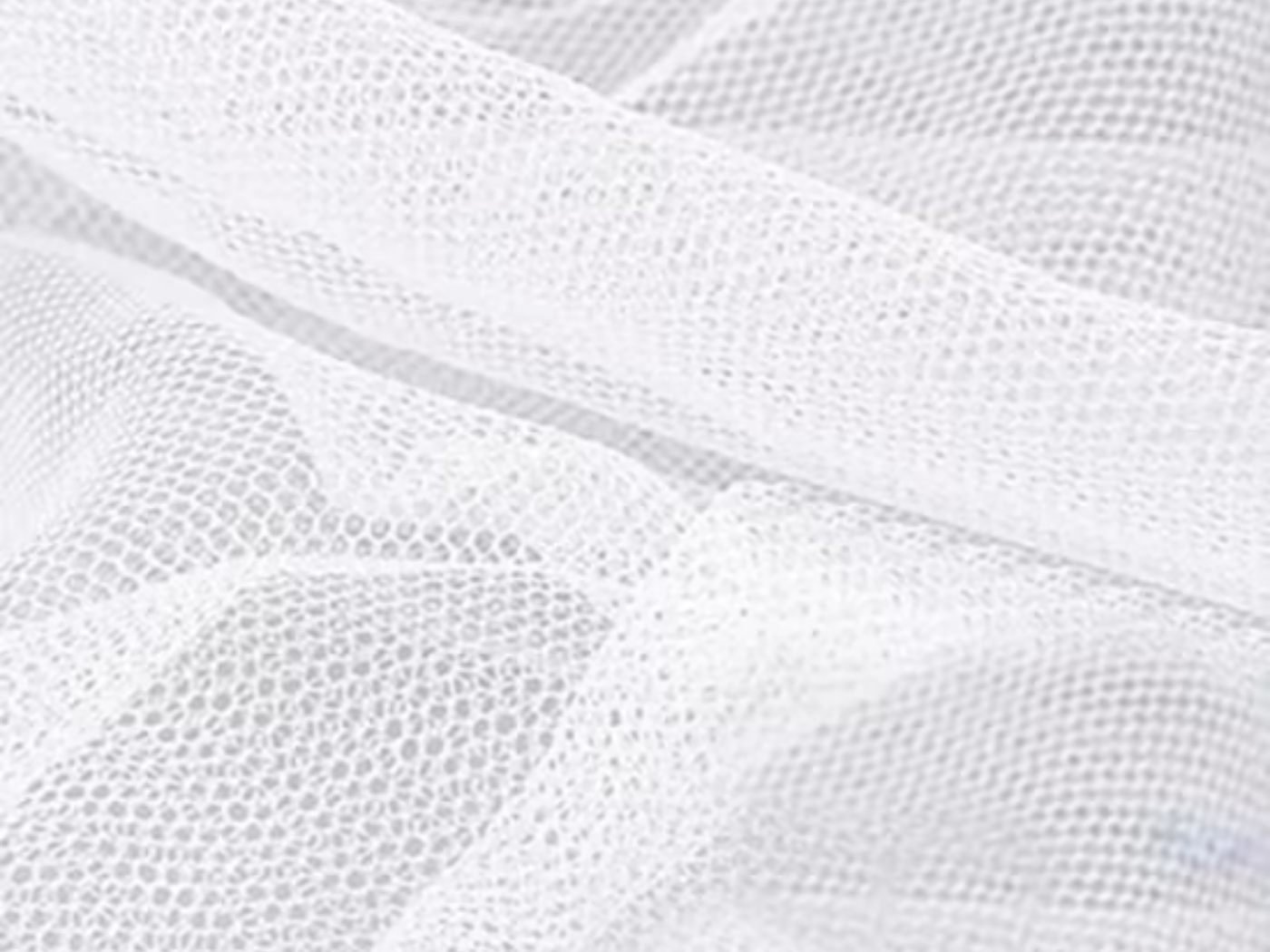 Insect Net
40 to 100 mesh HDPE insect screen for tunnels and greenhouses, white or transparent, 1–6 m wide.
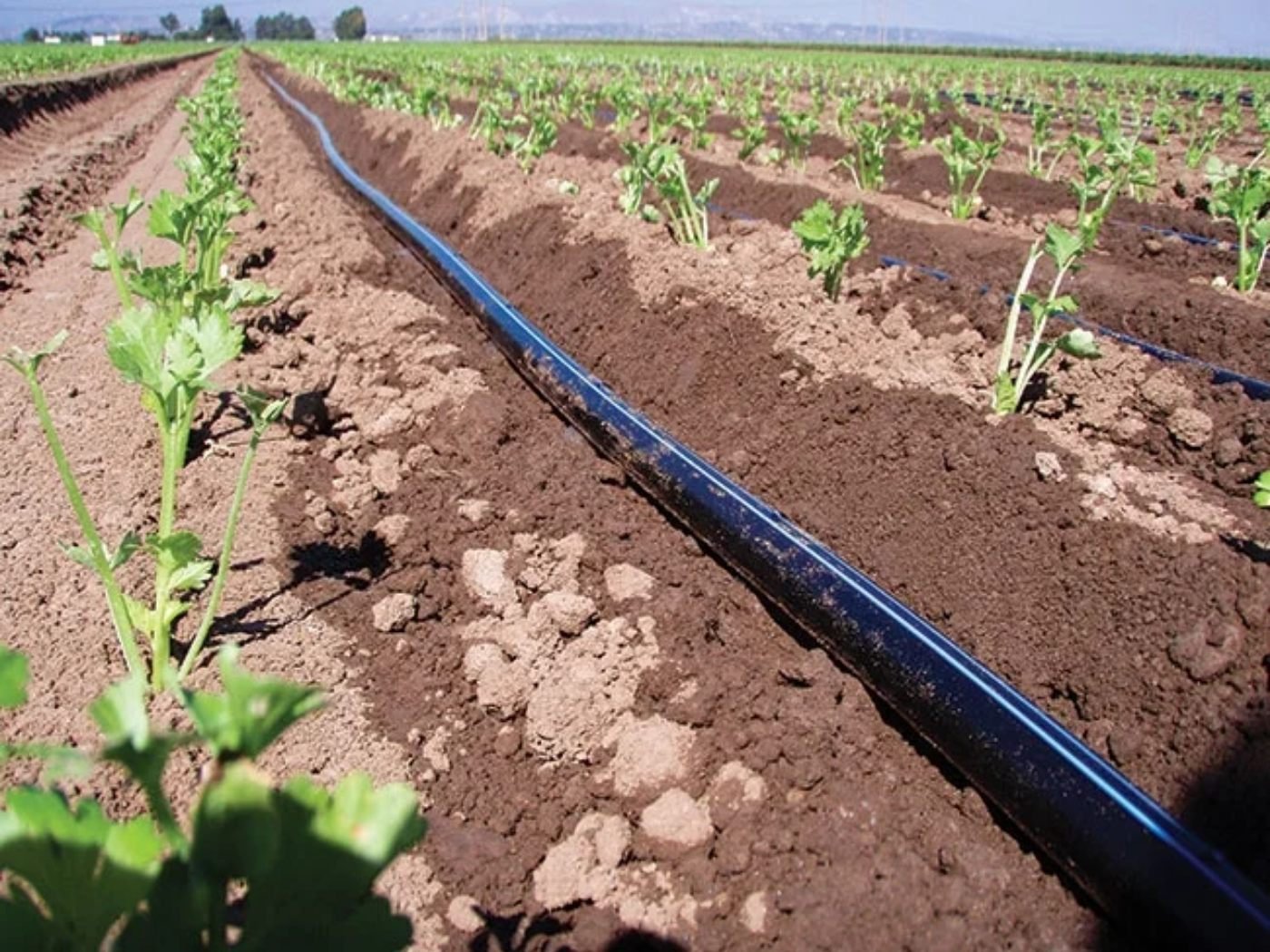 Drip Irrigation Tape
16 mm flat drip tape with 0.15–0.6 mm wall, 10–50 cm emitter spacing and 1–4 L/h flow for field vegetables and row crops.
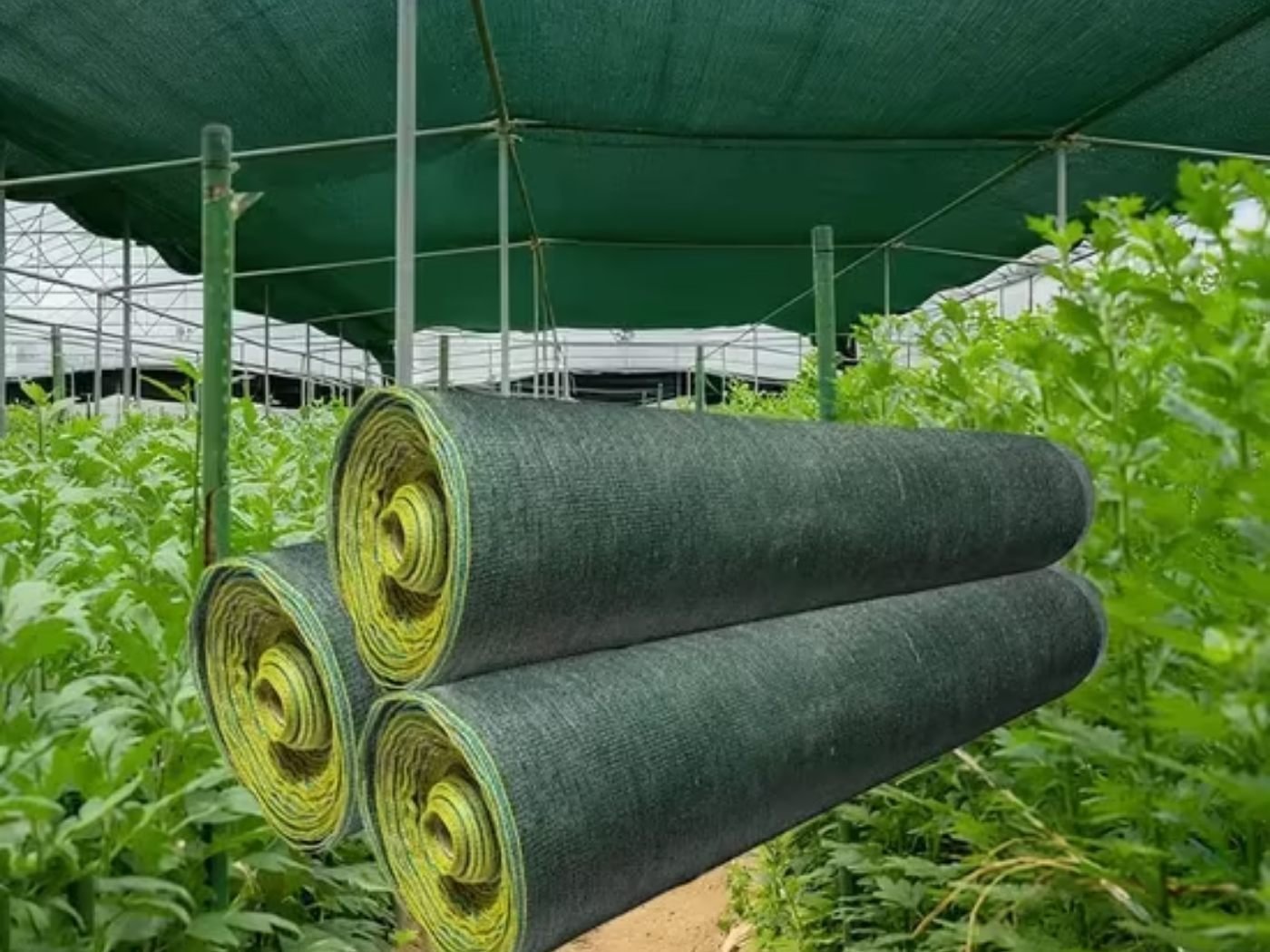 Shade Net
Virgin HDPE shade net from 30% to 95% shading, 2–6 m wide, lock-stitched and UV-stabilised for 3–5 years outdoors.
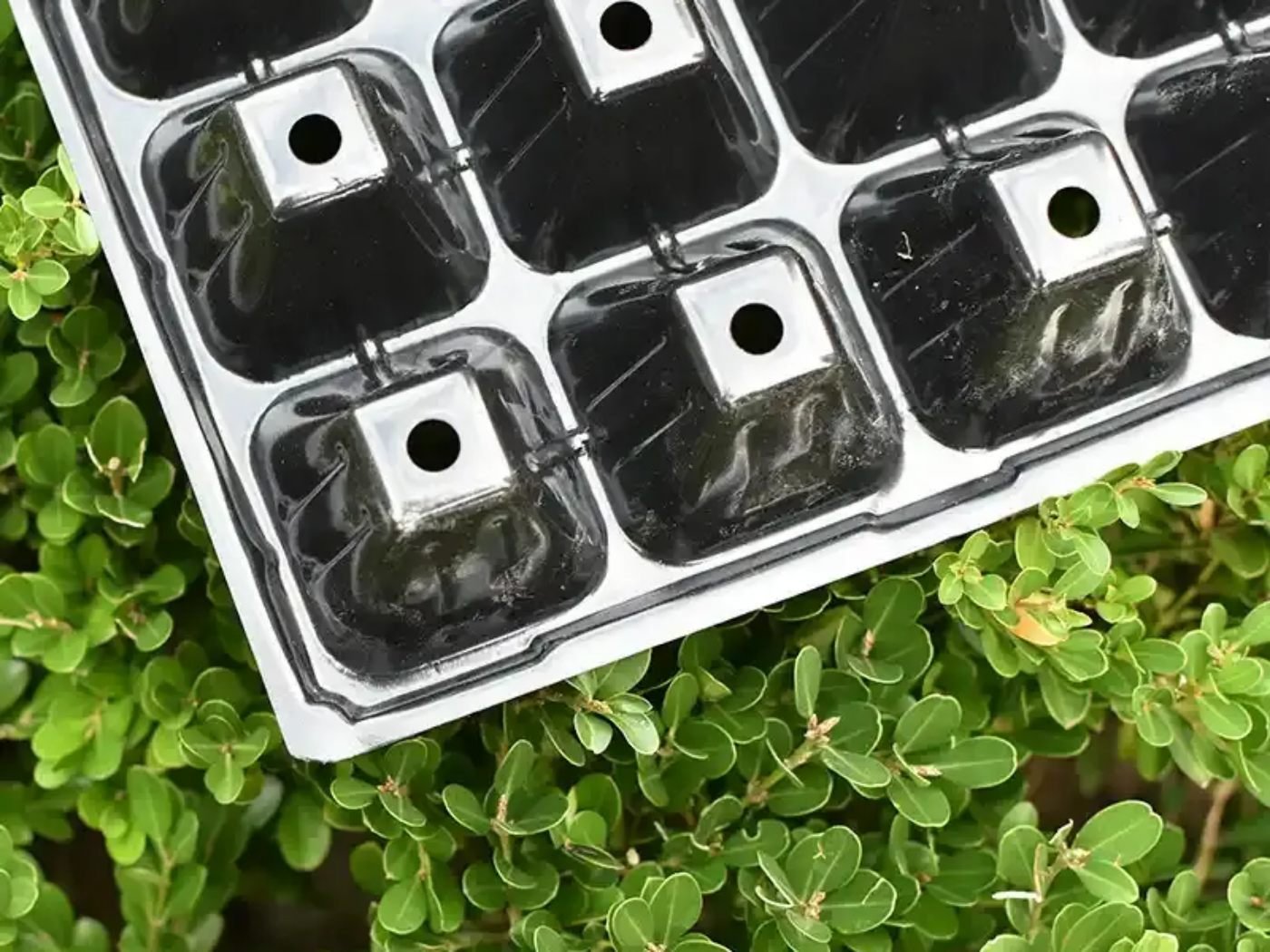 Seedling Trays
PS and PET plug trays from 32 to 288 cells with air-pruning design and a root plug that holds together at transplant.
Questions
Practical answers
Yes. Send the gutter, arch and bay dimensions and we return cut sizes, quantities and a panel/roll schedule.
No. We supply the covering, screening, irrigation and propagation inputs; the structure and installation come from your local fabricator.